Call: 08037531304
 Send Inquiry
 Send Inquiry
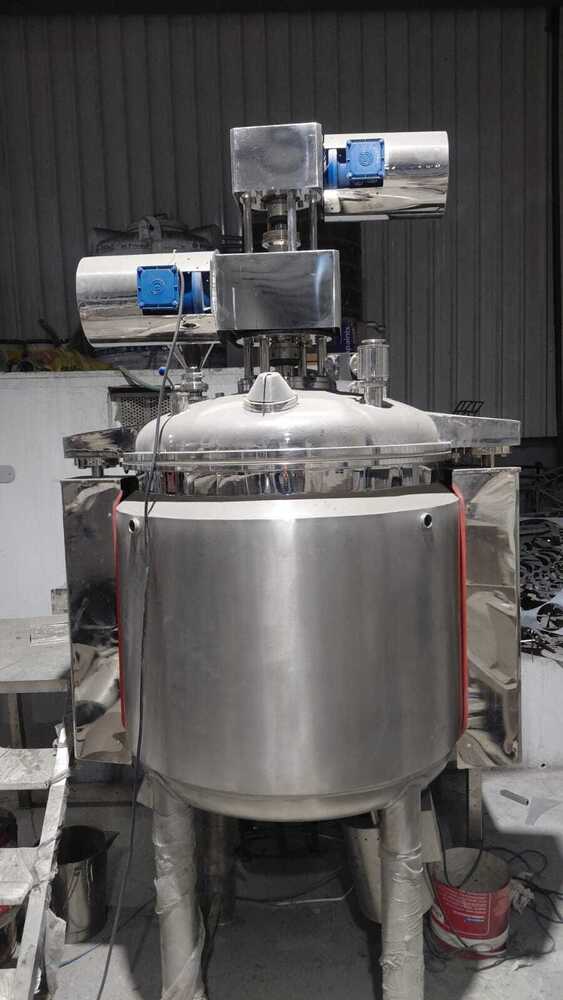
Ointment Plant
Price 1500000.0 INR/ Unit
MOQ : 1 Unit
Ointment Plant Specification
- Frequency
- 50/60 Hz
- Noise Level
- 75 dB
- Usage & Applications
- Mixing and manufacturing ointments, creams, gels, lotions in pharmaceutical, cosmetic, and food industries
- Temperature
- Ambient to 100C (or higher, as per design)
- Features
- Jacketed for heating & cooling, agitator with variable speed, vacuum and pressure capability, sanitary design, easy to clean
- Phase
- Single / Three Phase
- Type
- Ointment Plant
- Material
- Stainless Steel (SS304/SS316)
- Capacity
- Customizable (typically 50 L to 1000 L or as per requirement)
- Computerized
- Optional / Semi-automatic / Automatic configurations available
- Control Mode
- PLC / Manual / Semi Automatic
- Voltage
- 220V/380V/415V, as required
- Power
- Typically 2-10 kW (based on capacity)
- Weight (kg)
- Variable (depends on capacity and material)
- Dimension (L*W*H)
- Custom as per design and requirement
- Color
- Silver (Polished Stainless Steel Finish)
- Standards
- GMP/GLP compliant
- Agitator Type
- Anchor / Homogenizer / Propeller or Combination
- Surface Finish
- Mirror polish inside, matt finish outside
- Sealing Type
- Mechanical Seal with GMP design
- Mobility
- Skid mounted or fixed installation
- Cleanability
- CIP/SIP compatibility
- Control Panel
- Integrated with digital display and safety features
- Discharge Valve
- Butterfly / Ball / Flush bottom type
- Heating Method
- Electrical / Steam / Thermic Fluid Jacket
- Mixing Speed
- Variable (adjustable as per process need)
Ointment Plant Trade Information
- Minimum Order Quantity
- 1 Unit
- Main Domestic Market
- All India
About Ointment Plant
Aloe Vera Ointment Plant Extract is a natural herbal ingredient widely used in skincare and pharmaceutical formulations. Known for its soothing, moisturizing, and healing properties, it helps treat burns, cuts, rashes, and dry skin.Flexible Agitation and Heating Options
This ointment plant accommodates a range of mixing needs with anchor, homogenizer, or propeller agitators, or their combinations. Heating can be tailored to process requirements with electrical, steam, or thermic fluid jackets, ensuring optimal temperature management for various formulations. Variable mixing speeds and vacuum/pressure capabilities expand processing versatility.
Cleanability and Sanitary Design
Featuring a mirror-polished interior and matt exterior, this plant is designed for excellent cleanability and hygiene. It's fully compatible with Clean-In-Place (CIP) or Steam-In-Place (SIP) systems, meeting the stringent cleanliness standards required in pharmaceutical and cosmetic manufacturing. The mechanical seal and GMP-focused construction prevent contamination.
Comprehensive Control and Safety
Integrated digital control panels support PLC, manual, or semi-automatic operations, offering flexibility for different production environments. Safety features are built-in to the control system, including variable speed control and precise temperature management, ensuring process reliability and operator protection.
FAQ's of Ointment Plant:
Q: How does the agitator selection (Anchor, Homogenizer, Propeller, or combination) impact the ointment manufacturing process?
A: Choosing between anchor, homogenizer, propeller, or their combinations allows tailoring the mixing action for specific product viscosities and textures. Homogenizers provide fine dispersion for creams, while anchor agitators suit high-viscosity ointments. Combinations offer efficient blending for complex formulations.Q: What are the cleaning and sanitation benefits of the mirror-polished interior and CIP/SIP compatibility?
A: The mirror-polished interior minimizes residue buildup and promotes rapid, thorough cleaning, essential for pharmaceutical and cosmetic applications. CIP/SIP compatibility enables automated, validated cleaning and sterilization, reducing contamination risks and enhancing process efficiency.Q: When is it appropriate to choose electrical, steam, or thermic fluid heating for the jacket system?
A: Electrical heating is ideal for smaller capacities and locations without steam infrastructure, offering precise temperature control. Steam or thermic fluid jackets are preferred for larger batches and energy efficiency, accommodating higher heating or cooling demands.Q: Where can the ointment plant be installed, and is it mobile or fixed?
A: The plant can be configured as skid-mounted for mobility or fixed installation, suitable for laboratories, pilot plants, or full-scale production facilities. Installation depends on process flow, utilities, and workflow requirements.Q: What are the key safety features included with the integrated digital control panel?
A: The control panels incorporate features such as temperature monitoring, speed regulation, emergency stop functions, and alarms. These enhance operator safety and protect the product by promptly indicating deviations or equipment malfunctions.Q: How does the variable mixing speed benefit different product applications?
A: Variable speed agitating enhances process control, allowing gentle mixing for lotions or vigorous homogenization for gels and creams. Speed adjustment optimizes texture, ensures uniformity, and supports a broad spectrum of formulation needs.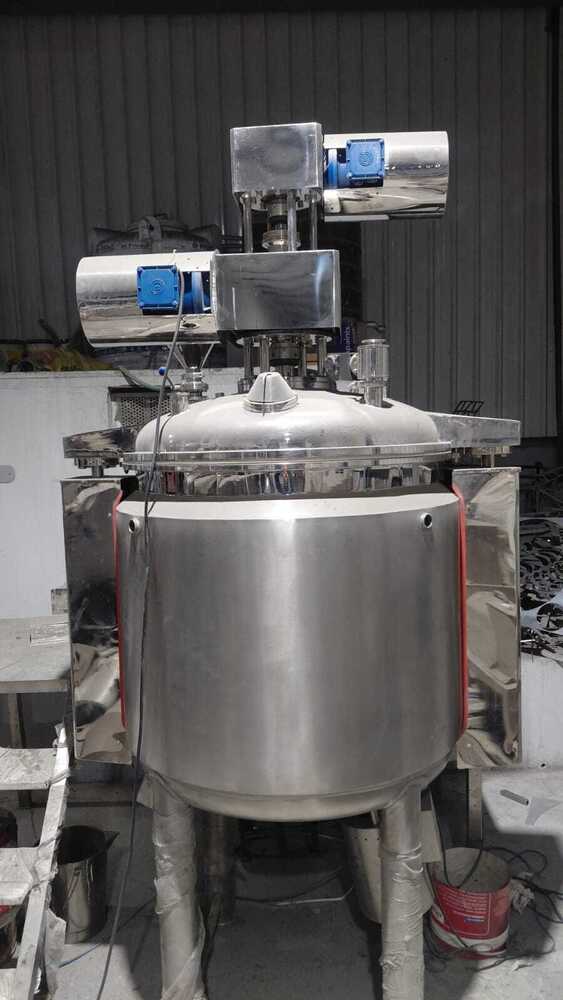
Tell us about your requirement

Price:
Quantity
Select Unit
- 50
- 100
- 200
- 250
- 500
- 1000+
Additional detail
Mobile number
Email

More Products in Pharmaceutical Machinery Category
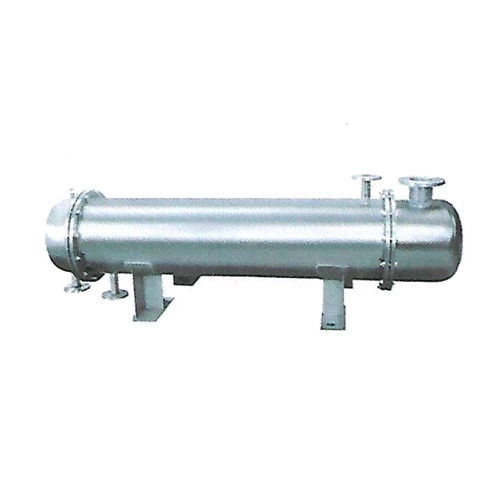
Heat Exchanger
Price 250000 INR / Unit
Minimum Order Quantity : 1 Unit
Weight (kg) : 150 kg Kilograms (kg)
Color : Silver
Computerized : No
Capacity : 1000 LPH T/hr
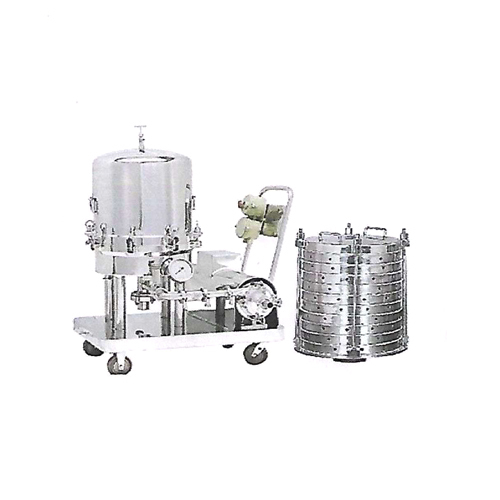
Zero Hold Up Filter Press
Price 350000 INR / Unit
Minimum Order Quantity : 1 Unit
Weight (kg) : 65250 kg as per size Kilograms (kg)
Color : Silver
Computerized : No
Capacity : 5 to 100 liters/hr (varies by model) Ltr
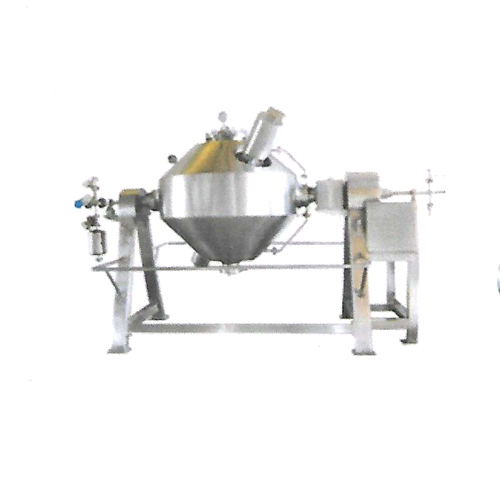
Rotcone Vacuum Dryer
Minimum Order Quantity : 1 Unit
Weight (kg) : 1200 kg to 7000 kg (as per model)
Color : Silver
Computerized : No
Capacity : 50 L to 5000 L (customized options available)
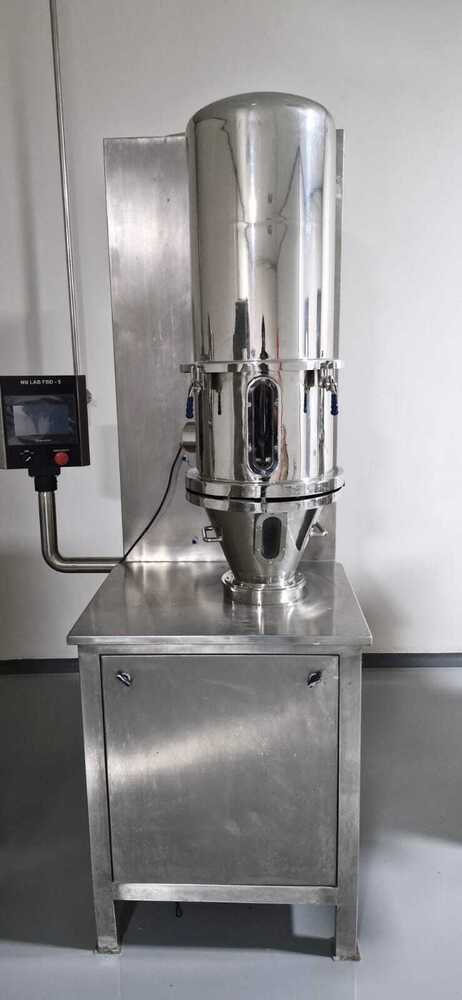
Fluid Bed Processer Machine
Price 4400000.0 INR / Unit
Minimum Order Quantity : 1 Unit
Weight (kg) : Approx. 4001500 kg (depending on model)
Color : Silver (Polished Stainless Steel)
Computerized : Yes
Capacity : 5 kg to 500 kg per batch (customizable)

Contact Details
JAY PHARMA MACHINERY & EQUIPMENTS
GST : 27BAMPP9600G4ZC
- B No B-309, 3rd Floor, Jvk Marg, Vile Parle East,Mumbai - 400057, Maharashtra, India
- Phone :08037531304

 Send Inquiry
Developed and Managed by Infocom Network Private Limited.
